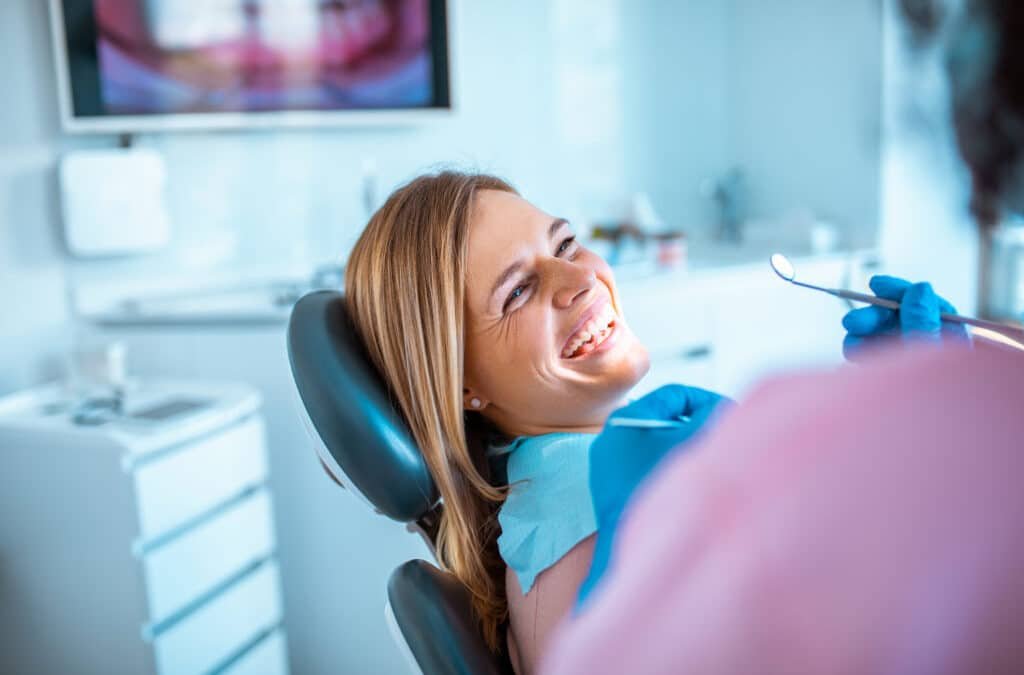
Dental marketing has changed.
Five years ago, ranking on Google and running a few local ads was enough to keep chairs full. Today? Patients compare, research, validate, and hesitate before booking. They don’t just search for “dentist near me.” They search for reassurance.
In 2026, successful dental marketing strategies aren’t built around visibility alone. They’re built around trust.
Because dentistry isn’t just a service. It’s personal. It’s emotional. It’s often anxiety-inducing. And that changes how marketing works.
Let’s break down what actually moves the needle for modern dental clinics.
1. Local SEO Is the Foundation (But Not the Differentiator)
Yes — you still need strong local visibility.
That means:
- Optimized Google Business Profile
- Consistent NAP (name, address, phone) data
- Location-based landing pages
- Real patient reviews
- High-quality photos of your clinic
When someone searches “Invisalign in Austin” or “emergency dentist near me,” you need to appear.
But here’s the shift:
Ranking gets you seen.
Trust gets you booked.
Most dental clinics stop at visibility. The winning clinics go further.
2. Reputation Management Is Non-Negotiable
For dentists, reviews are decision triggers.
Patients don’t read one review. They scan patterns.
They look for:
- Cleanliness
- Pain management
- Bedside manner
- Transparency on pricing
- Before-and-after satisfaction
The difference between 4.3 stars and 4.8 stars can dramatically impact booking rates.
But beyond star ratings, how you respond matters.
Professional, empathetic responses signal that you care — and that reduces anxiety before a first appointment.
3. Educational Content Builds Authority
Patients don’t always know what they need. They know what they feel:
- “My tooth hurts.”
- “I hate my smile.”
- “I’m scared of root canals.”
Clinics that publish educational content position themselves as trusted advisors.
Examples:
- “What to Expect During a Root Canal”
- “Is Teeth Whitening Safe?”
- “How Long Do Dental Implants Last?”
Educational blogs, FAQs, and short videos reduce fear by replacing uncertainty with clarity.
And clarity converts.
4. Social Media for Dentists: Visibility + Relatability
Dental social media shouldn’t look like a stock photo catalog.
High-performing clinics show:
- Real team members
- Behind-the-scenes moments
- Smile transformations
- Patient testimonials (with consent)
- Quick oral hygiene tips
Relatability lowers barriers.
When patients feel like they “know” the dentist before stepping into the clinic, anxiety decreases.
And reduced anxiety increases appointment likelihood.
5. Video Marketing for Dental Clinics
Why Dental Video Marketing Is Becoming Essential
Dentistry involves trust, precision, and comfort — things that are hard to communicate through text alone.
This is where dental video marketing becomes powerful.
Video allows patients to:
- See your personality
- Hear your tone
- Experience your clinic environment
- Understand procedures visually
And that reduces fear.
Types of high-performing dental videos include:
- “Meet the Dentist” introduction videos
- Treatment explanation videos
- Patient testimonial videos
- Before-and-after transformation stories
- FAQ videos addressing common concerns
When a nervous patient watches a calm, friendly dentist explain a procedure clearly, hesitation drops dramatically.
Video humanizes your practice.
6. Patient Testimonials: The Trust Multiplier
In dentistry, proof matters more than promises.
A testimonial saying:
“I was terrified of dentists, but this was the most comfortable experience I’ve ever had.”
is more powerful than any ad headline.
Before-and-after visuals combined with short patient stories create emotional validation.
Especially for cosmetic dentistry (veneers, whitening, Invisalign), testimonials act as social reassurance.
People want to see real outcomes — not just claims.
7. Paid Ads: Precision Over Volume
Google Ads and Meta Ads still work — when done correctly.
But successful dental campaigns focus on:
- High-intent keywords (e.g., “emergency dentist open now”)
- Specific services (implants, whitening, braces)
- Geographic radius targeting
- Conversion-optimized landing pages
Sending traffic to a generic homepage wastes budget.
Each ad group should lead to a service-specific page with:
- Clear benefits
- FAQs
- Testimonials
- Easy booking options
Paid traffic amplifies what already converts.
If your site doesn’t build trust, ads won’t fix it.
8. Website Conversion Optimization
Many dental websites are visually clean — but strategically weak.
Your website should answer:
- Why should I trust you?
- Will this hurt?
- How much does it cost?
- What makes you different?
Key elements of a high-converting dental site:
- Prominent call-to-action (“Book Appointment”)
- Online booking functionality
- Insurance information clarity
- Trust badges and certifications
- Real patient testimonials
- Short introductory video
Think of your website as your digital waiting room.
If it feels reassuring, people stay.
If it feels generic, they leave.
9. Email & Retention Marketing
Dental marketing isn’t just about acquisition.
Retention matters.
Reminder emails for:
- Cleanings
- Check-ups
- Whitening touch-ups
keep revenue stable.
Educational newsletters can also maintain engagement and position your clinic as proactive rather than reactive.
Happy returning patients are your strongest referral engine.
10. Community & Referral Strategy
Word-of-mouth still dominates dental growth.
Encourage referrals through:
- Patient appreciation programs
- Referral incentives
- Community involvement
- School partnerships
Offline trust reinforces online trust.
When someone hears about you from a friend and then sees strong reviews and video content online, the decision becomes easy.
11. Data-Driven Decision Making
Modern dental marketing isn’t guesswork.
Track:
- Cost per appointment
- Conversion rate by service
- Call tracking data
- Landing page performance
- Review growth rate
If whitening ads convert at 6% and implant ads at 2%, allocate budget accordingly.
The smartest clinics don’t just market.
They measure.
The Big Picture: Dental Marketing Is About Reducing Fear
Most industries sell desire.
Dentistry often sells relief.
Relief from pain.
Relief from embarrassment.
Relief from uncertainty.
Every effective dental marketing strategy in 2026 shares one core principle:
Reduce psychological friction.
Local SEO builds visibility.
Reviews build credibility.
Video builds emotional safety.
Testimonials build reassurance.
Optimization builds efficiency.
When all of these align, bookings increase naturally.
Final Thought
Dental marketing is no longer about shouting the loudest.
It’s about making patients feel safe before they ever walk through your door.
And the clinics that understand this — the ones that combine visibility with authentic proof and strong dental video marketing — are the ones filling their calendars consistently.
In 2026, the winning dental practices aren’t just visible.
They’re believable.
