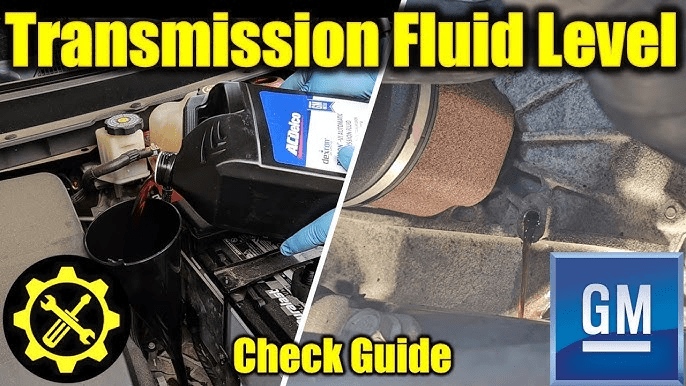
Have you ever felt your car hesitate before it moves forward? That strange feeling often points straight to your transmission oil. This special oil acts like a shield for your gears. It stops metal parts from rubbing together and melting from high heat. Without it, your car cannot change gears smoothly. Knowing how to check transmission fluid level keeps your car happy. It keeps cash in your wallet by avoiding massive mechanic bills later on.
I remember ignoring a tiny red puddle under my old sedan years ago. A few weeks later, the gears started slipping on the highway. That tiny leak turned into a massive two thousand dollar repair bill. A simple check would have saved me so much stress and money. Checking the fluid takes less than ten minutes of your time. Let us walk through this simple task together so you can protect your ride.
Table of Contents
Understanding the Difference Between Engine Oil and Transmission Fluid
Many new drivers get confused when they open the car hood. They see different caps and sticks and do not know what is what. Engine oil and transmission fluid do completely different jobs. Engine oil lubricates the pistons that move up and down fast. Transmission fluid helps the gears change speeds while you drive down the road. You must never mix these two oils up because that will ruin your engine.
Learning how to check transmission fluid level starts with finding the right handle under the hood. The engine oil handle is usually bright yellow. The transmission handle is often red or pink and sits further back. The transmission dipstick is also usually longer than the engine oil stick. Knowing this difference ensures you inspect the correct system every single time.
Safety First Things to Prepare Before You Start
You must prepare a few basic tools before you start working on your car. Safety is the most important part of any DIY project. Park your car on a flat driveway so the oil sits level inside the tank. Put the car in park and pull the parking brake up tightly. Grab a clean rag or a thick paper towel that does not shed lint.
You should wear protective gloves to keep your hands clean from chemical stains. Wear safety glasses to protect your eyes from accidental oil splashes. Make sure you keep loose clothing or long hair tied back safely. The engine area has spinning belts that can grab loose items quickly. Now you are fully ready to learn how to check transmission fluid level safely.
Finding the Correct Dipstick Under Your Vehicle Hood
Pop your hood open and look toward the back of the engine bay. If your car has front-wheel drive, the stick is usually on the driver side. For rear-wheel drive vehicles, it sits near the back of the engine block. Look for a small loop handle that looks different from the engine oil loop. It might have a little gear symbol stamped right onto the plastic handle.
Some modern cars do not have a stick at all. These are called sealed transmissions, and they require a mechanic to inspect them. If you see a stick, you are in luck. You can easily master how to check transmission fluid level right at home. Take a close look at your owner manual if you cannot find the loop handle.
Step One Pull the Stick and Clean It Completely
Start your car and let it run for a few minutes until it gets warm. Transmission fluid expands when it gets hot, so checking it warm gives the most accurate reading. Keep the engine running while you perform this check unless your manual says otherwise. Pull the dipstick out of the tube with a firm, steady tug.
Do not look at the fluid level on this very first pull. The oil splashes around while you drive, making the first reading completely wrong. Take your clean paper towel and wipe the long metal stick completely bare. Slide the clean metal stick all the way back down into the guide tube. Make sure it clicks into place so it goes all the way down to the bottom.
Step Two Read the Markings for an Accurate Measurement
Pull the metal stick out of the tube a second time very carefully. Hold it flat so the oil does not run up or down the metal. Look closely at the shiny wet tip of the metal piece. You will see two distinct lines or a crosshatch pattern stamped into the metal. One line says “Cold” and the other line says “Hot.”
Since your engine is running and warm, the wet line should sit right between the “Hot” marks. If the wet line falls below the lowest mark, your fluid is dangerously low. Knowing how to check transmission fluid level means reading these precise lines correctly. Never guess the level because too much oil can cause bad foaming issues.
Step Three How to Inspect the Color and Quality
The color of the fluid tells a vivid story about your transmission health. Brand new fluid has a bright pink or translucent red color. It looks clean and smells slightly sweet like cherries or oil. If your fluid looks light brown, it is getting old and needs a change soon. It is still working, but it has collected some dirt over time.
If the oil looks dark black or smells burnt, you have a serious problem. Black oil means the internal clutches are wearing out from extreme heat. You should take your car to a trusted mechanic immediately if you see black oil. Mastering how to check transmission fluid level includes analyzing these colors to spot trouble early.
How to Add Fluid If Your Level Is Too Low
If the metal stick shows a low level, you need to add some fresh oil. Look up the exact type of fluid your car needs in your manual. Using the wrong fluid type can destroy the internal gears within miles. Insert a long, clean funnel directly into the open dipstick guide tube.
Pour the fresh oil into the funnel very slowly. Only add a tiny bit at a time, like one quarter of a quart. Wait a few minutes for the liquid to drain down the long tube completely. Check the level again with your clean stick to see where it sits. This careful process is how to check transmission fluid level without overfilling the system.
Signs Your Vehicle Is Running Out of Transmission Liquid
Your car will try to tell you when its fluid level drops too low. You might hear strange whining or grinding noises when you accelerate. The car might shake violently when you try to change gears on the road. Sometimes the engine revs up high, but the car moves forward very slowly.
You might also notice a delay when shifting from park into drive or reverse. These warning signs mean you need to stop driving immediately. Open the hood and use your new skills on how to check transmission fluid level. Catching a low level early stops permanent damage to the expensive gear teeth.
How Often Should You Perform This Simple Car Check?
You should check your transmission oil level at least once every single month. It is smart to check it right alongside your regular engine oil checks. You should also check it before you go on a long road trip across the country. Heavy driving puts extra stress on the gears and makes things run much hotter.
Checking it regularly helps you spot tiny leaks before they cause catastrophic vehicle breakdown. If you notice red spots on your garage floor, check the stick right away. Making how to check transmission fluid level a monthly habit keeps your vehicle safe for years. It gives you peace of mind every time you turn the key.
Expert Guide Biography Table
| Detail Type | Expert Author Information |
| Author Name | Marcus Vance |
| Years of Experience | 15 Years in Automotive Repair |
| Certification | ASE Master Certified Technician |
| Specialty | Drivetrain and Transmission Systems |
| Mission | Making car repair simple for everyday drivers |
Frequently Asked Questions
Can I check the fluid while the engine is turned off?
Most cars require the engine to be running and warm for an accurate test. Checking it cold or off usually gives a false high reading on the stick. Always read your specific vehicle owner manual to be absolutely certain of the correct process.
What color should healthy transmission fluid look like?
Healthy fluid should look bright red or clear pink. It should look clean and free of dark specks or metal flakes. If it looks dark brown or solid black, it needs to be replaced by a professional mechanic.
What happens if I put too much fluid inside the system?
Too much fluid creates air bubbles and turns the oil into a thick foam. Foamy oil cannot lubricate the moving parts or create the right pressure. This causes the gears to slip and can break the transmission seals.
Can I use any brand of fluid in my car?
No, you must use the exact type listed in your owner manual. Different cars require different chemical mixes like Mercon, Dexron, or CVT fluid. Using the wrong type can ruin your transmission gears very quickly.
Why does my car have a sealed transmission with no dipstick?
Many modern manufacturers seal the system to keep dirt and moisture from entering. These systems use special fluids that last much longer than older styles. You must take these cars to a shop to check the levels.
How do I know if my transmission fluid is burning?
Pull the dipstick out and bring it close to your nose carefully. Healthy fluid smells sweet or like regular clean oil. If it smells like burnt toast or smoke, the fluid is old and overheating inside.
Keep Your Vehicle Shifting Smoothly
Taking care of your car does not have to feel scary or complicated. Now you know exactly how to check transmission fluid level all by yourself. This quick inspection keeps your gears shifting smoothly and protects your family on the road. Check your fluid this weekend to ensure your vehicle stays in peak condition. If you notice any strange smells or dark colors, schedule a checkup with a local mechanic right away.
