
Have you ever wondered what military space defense will look like in the future? Many experts talk about advanced satellite systems, but the idea of a space force orbital warship carrier takes things much further. Think of an aircraft carrier floating in ocean waters, but placed high above Earth in orbit. It sounds like science fiction, yet defense teams closely research these ideas today.
Space keeps growing more important every single day for communication and navigation. Our modern world depends heavily on thousands of active satellites working in orbit. Protecting these crucial tools requires totally new military strategies and advanced technology. Building a functional space force orbital warship carrier might become the ultimate solution to defend critical assets in space.
| Quick Fact Profile | Overview Details |
| Concept Name | Space Force Orbital Warship Carrier |
| Primary Operator | United States Space Force (USSF) & Aerospace Defense |
| Main Mission | Protecting satellites, space surveillance, and orbital defense |
| Key Capability | Hosting autonomous drones, repair crafts, and defense pods |
| Operating Realm | Low Earth Orbit (LEO) to Geostationary Orbit (GEO) |
| Primary Power Source | Advanced solar arrays and nuclear thermal propulsion systems |
| Development Status | Conceptual research, technology testing, and strategic modeling |
What Is a Space Force Orbital Warship Carrier?
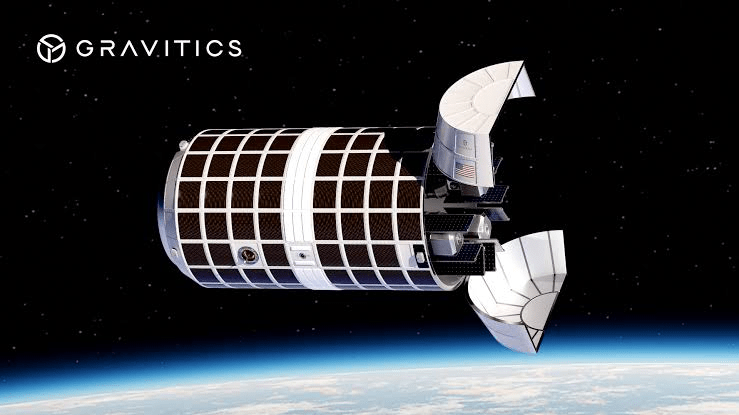
A space force orbital warship carrier is a giant spacecraft designed to carry smaller defense crafts, repair drones, and monitoring tools. Instead of carrying traditional fighter jet aircraft, it launches autonomous satellites and small defense vehicles.
This orbital mothership stays high above Earth to keep watch over critical space pathways. It provides a central command base right in low Earth orbit. With a space force orbital warship carrier, guardians can react quickly to dangerous threats in space.
Why Space Defense Needs an Orbital Carrier
Space is becoming crowded with satellites, debris, and international technology. Nations rely on space systems for GPS, weather tracking, and military communications. If those satellites stop working, daily life on Earth faces huge problems.
A space force orbital warship carrier serves as an ultimate guardian for these vital systems. It offers a permanent presence where threats can appear unexpectedly. Having a dedicated space force orbital warship carrier helps deter potential enemies from targeting friendly satellites.
How an Orbital Warship Carrier Would Work
Operating in space requires very different technology compared to sea or air operations. An orbital mothership needs powerful thrusters, heavy radiation shielding, and vast solar panels.
The space force orbital warship carrier stays in orbit using advanced electric or nuclear propulsion. When a nearby satellite needs help, the carrier releases small repair or defense drones. Once the job is finished, those small craft return to the space force orbital warship carrier to recharge and refuel.
Main Features of the Space Force Orbital Warship Carrier
Designing a space force orbital warship carrier involves merging several futuristic technologies into one platform. It must handle harsh space conditions while serving as an operational hub.
Key features of a space force orbital warship carrier include:
- Drone Bays: Launch pads for releasing small unmanned satellites quickly.
- Command Hub: Advanced computers for tracking objects across deep space.
- Refueling Station: Fuel stores to extend the life of smaller spacecraft.
- Defensive Systems: Tools to block laser attacks and stop incoming space debris.
The Role of Autonomous Drones in Space Defense
Small drones play a huge role in the strategy behind any space force orbital warship carrier. Sending humans into deep space costs a lot of money and creates safety risks.
Unmanned drones launched from a space force orbital warship carrier can inspect damaged satellites up close. They can also push dangerous space junk out of busy orbits safely. Using autonomous units makes a space force orbital warship carrier far more flexible and efficient.
Comparing Sea Aircraft Carriers to Orbital Warship Carriers
Naval aircraft carriers changed ocean warfare by projecting power across entire oceans. In a similar way, a space force orbital warship carrier changes how military forces protect space routes.
Ocean carriers use fuel oil or nuclear reactors to push through heavy water. A space force orbital warship carrier relies on orbital mechanics and zero-gravity drift. Both act as mobile bases, but the space force orbital warship carrier covers the entire globe every few hours.
Challenges in Building a Space Force Orbital Warship Carrier
Building a real space force orbital warship carrier presents massive technical challenges. Launching heavy materials into orbit costs millions of dollars per launch.
Engineers must also protect the space force orbital warship carrier from space debris traveling at thousands of miles per hour. Extreme temperatures and cosmic radiation can damage delicate electronics over time. Overcoming these hurdles takes years of careful testing and engineering work.
Power and Propulsion Systems for Orbital Carriers
A massive platform like a space force orbital warship carrier needs constant power to operate advanced systems. Standard solar power may not provide enough energy for heavy defense tools.
Future versions of the space force orbital warship carrier might use small nuclear reactors for steady power. Nuclear thermal propulsion could allow a space force orbital warship carrier to move between different orbits quickly when needed.
Public Perception and the Reality of Space Warships
When people hear about a space force orbital warship carrier, they often picture giant movies like Star Wars. However, real military space technology focuses mostly on defense and satellite protection.
The goal of a space force orbital warship carrier is keeping space safe, open, and peaceful for everyone. Deterrence remains the primary strategy behind developing an orbital defense mothership.
What the Future Holds for Space Defense Technology
While a giant space force orbital warship carrier seems far off, small step-by-step progress happens right now. Reusable rockets lower the cost of launching heavy equipment into orbit every year.
In the coming decades, smaller test versions of a space force orbital warship carrier could enter service. As technology advances, these platforms will safeguard our digital world from above.
Frequently Asked Questions
What is a space force orbital warship carrier?
It is a conceptual military spacecraft designed to host, launch, and service smaller satellites, repair drones, and defense vehicles in space.
Does the Space Force currently operate an orbital warship carrier?
No, fully active orbital warship carriers do not exist today. The idea remains in research, design, and experimental testing stages.
How would a space force orbital warship carrier get power?
It would likely use large solar panel arrays combined with advanced nuclear reactors or electric propulsion systems for long missions.
Why do we need defense platforms in space orbit?
Nations rely heavily on satellites for GPS, banking, communication, and weather tracking. Protecting these systems is essential for modern everyday life.
Could humans live inside a space force orbital warship carrier?
Most designs focus on fully automated or remote-controlled systems to save weight, lower costs, and protect human lives from space radiation.
What is the biggest challenge to building an orbital carrier?
The high cost of lifting heavy defense materials into orbit and protecting delicate equipment from fast-moving space debris are the biggest obstacles.
Conclusion
The idea of a space force orbital warship carrier represents an exciting leap forward in military strategy and space technology. As humans rely more on satellites, keeping space secure becomes a top global priority. While many technical challenges remain, ongoing research brings us closer to making this concept a reality. How do you think space defense platforms will shape the future of space exploration? Share your thoughts and join the conversation online today!
