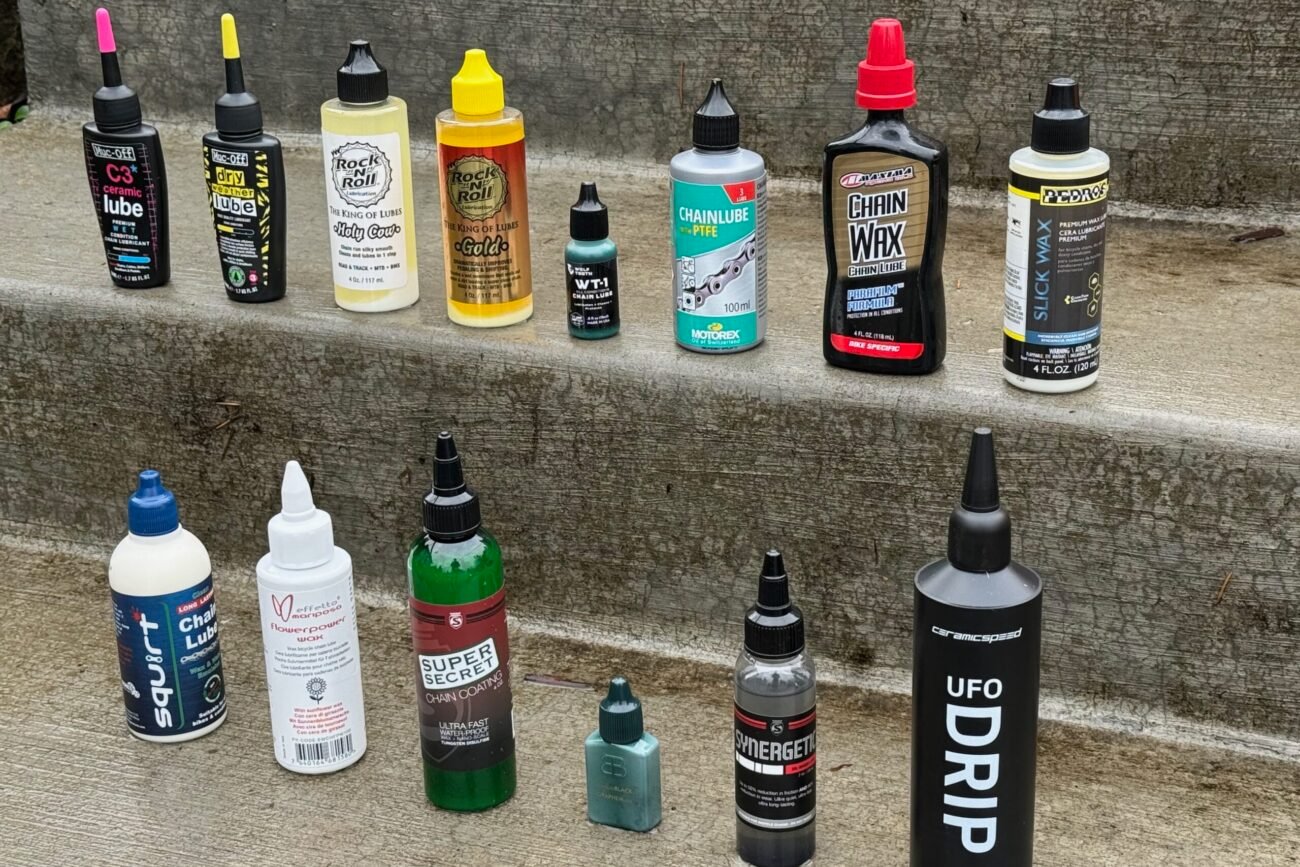
If you love keeping your bike or machinery in top shape, you have likely heard of water based wax lubricant. This special type of coating is designed to protect moving parts without the sticky mess of traditional oils. Unlike greasy lubes that act like a magnet for dirt and grime, a wax-based formula dries into a solid, slippery barrier. This keeps your chain or tools looking brand new even after a long day of use. Most people prefer it because it is much cleaner to handle and easier to wash off when you are ready for a deep clean.
Many beginners wonder why they should switch from oil to a water based wax lubricant. The secret lies in how the wax interacts with metal surfaces. When you apply it, the liquid carries tiny wax particles into the small gaps of your chain. Once the water evaporates, you are left with a hard, protective shell. This process is often called water waxing, and it provides a smooth surface that reduces friction significantly. It is a game-changer for anyone who wants a quiet, efficient, and low-maintenance experience while riding or working.
Table of Contents
Why Choose Water Soluble Wax for Your Projects?
When we talk about water soluble wax, we are referring to a product that can easily be thinned or cleaned up with simple water. This is a huge benefit for people who work indoors or in sensitive environments. Traditional lubricants often require harsh chemicals or degreasers to remove, which can be smelly and bad for the planet. However, a water based wax lubricant offers a much friendlier alternative. It provides the same high level of protection but stays easy to manage throughout its entire life cycle on your equipment.
Using a water soluble wax means you spend less time scrubbing and more time enjoying your hobbies. I have found that using these products makes the cleanup process almost effortless. You just need a damp cloth to wipe away the excess. This type of lubricant is also very versatile. While it is famous in the cycling world, it is also used in various industrial and creative settings. Because it is non-toxic and easy to apply, it has become a staple for DIY enthusiasts who value both performance and safety.
Understanding the Magic of Water Waxing
The term water waxing might sound like something you do to a car, but in the world of lubrication, it refers to the application of wax-infused liquids. The goal is to create a hydrophobic layer—which is just a fancy way of saying it repels water. When you use a water based wax lubricant, you are essentially “water waxing” your gear to prevent rust and corrosion. This is especially important if you live in a humid area or enjoy riding your bike through puddles and rain.
One of the coolest things about water waxing is how it builds up over time. The more you use your water based wax lubricant, the better the protection becomes. Each application fills in the microscopic pores of the metal, making it smoother and smoother. I always tell my friends that patience is key here. You want to let the product dry completely before you head out. This ensures the wax stays put and does its job of keeping the friction low and the speed high.
Creative Uses for Water Soluble Wax Pastels
While we often think of lubricants for machines, the world of art uses similar technology. Water soluble wax pastels are a favorite among artists who want the creamy texture of wax with the blending power of watercolors. These pastels are made with a specific type of wax that reacts to moisture. Just like our water based wax lubricant, these art tools focus on ease of use and versatility. You can draw a sharp line and then use a wet brush to turn it into a beautiful wash of color.
It is interesting to see how water soluble wax pastels share the same core chemistry as industrial waxes. They both rely on the ability of the wax to stay stable until it meets water. If you are a fan of mixed media, these pastels are a must-have. They don’t smudge as easily as traditional oil pastels, which keeps your hands and your workspace much cleaner. It is a perfect example of how “water wax” technology helps people in totally different fields, from mechanics to professional painters.
Can You Use a Water Pik for Ear Wax?
A common question that pops up in health forums is about using a water pik for ear wax removal. While a Waterpik is a fantastic tool for cleaning your teeth, using it in your ears can be very dangerous. The pressure from a dental water flosser is much too high for the delicate skin inside your ear canal. If you are struggling with a buildup of wax, it is always better to use specialized drops or see a doctor. Using a water pik for ear wax could lead to a ruptured eardrum or permanent hearing loss.
Instead of trying a water pik for ear wax, many experts recommend gentle irrigation kits designed specifically for ears. These kits use a much softer flow of water to loosen the wax. It is funny how “water” and “wax” appear in so many parts of our lives, but the tools are not always interchangeable! Always remember to use the right tool for the right job. Just as you wouldn’t use art pastels to lube a bike, you shouldn’t use a high-pressure power tool for your personal hygiene.
Detailed Product Information Table
| Feature | Water Based Wax Lubricant | Water Soluble Wax Pastels |
| Primary Use | Mechanical lubrication | Artistic drawing and painting |
| Base Ingredient | Purified Water | Paraffin or Synthetic Wax |
| Cleanup Method | Soap and Water | Wet Brush or Cloth |
| Durability | High (Dries to solid) | Medium (Can be smudged) |
| Best For | Bike chains and hinges | Canvas and Paper |
| Drying Time | 2 to 4 hours | Instant to 10 minutes |
How to Apply Water Based Wax Lubricant Correctly
To get the best results from your water based wax lubricant, you need to start with a perfectly clean surface. If there is old oil or grease on your chain, the wax won’t be able to stick to the metal. I recommend using a degreaser first, then rinsing it thoroughly and letting it dry. Once the metal is bare, apply the water based wax lubricant drop by drop. Make sure you get it into every link. This ensures that the water soluble wax reaches the internal pins where the most friction happens.
After you apply the water based wax lubricant, do not be tempted to go for a ride immediately. The water needs time to evaporate so the wax can harden. This usually takes a few hours, but leaving it overnight is even better. You will notice that the liquid looks milky when it goes on, but it becomes clear or matte when it is ready. This “set time” is what makes water waxing so effective. If you follow these steps, your drivetrain will stay silent and clean for hundreds of miles.
The Environmental Benefits of Water Based Products
One of the biggest reasons I advocate for water based wax lubricant is the impact on our planet. Traditional “wet” lubes are often made from petroleum, which can leak into the soil and water systems. Because a water soluble wax is mostly biodegradable, it is a much greener choice for outdoor enthusiasts. When you wash your bike, you aren’t sending harmful chemicals down the drain. This makes water based wax lubricant the responsible choice for hikers, bikers, and nature lovers everywhere.
Furthermore, many brands now produce wat wax (a common shorthand for water wax) that is completely free of PFAS and other “forever chemicals.” This means you can maintain your gear without worrying about your health or the environment. Choosing a water based wax lubricant is a small change that makes a big difference. It proves that we don’t have to sacrifice high-performance speed for ecological safety. It’s a win-win situation for your gear and the Earth.
Common Myths About Water Based Wax Lubricant
Some people think that a water based wax lubricant will wash off the moment it starts raining. This is actually a myth! While the lubricant is applied using water as a carrier, the wax itself is waterproof once it has dried and cured onto the metal. In fact, water waxing provides excellent protection against rainy rides because the wax blocks the water from reaching the steel. You might need to reapply it more often in very wet conditions, but it certainly won’t vanish the second you hit a puddle.
Another myth is that water soluble wax is only for professional racers. That couldn’t be further from the truth. While pros love it because it saves watts and increases speed, casual riders love it because it keeps their pants clean! No one likes getting a “rookie mark” (a black grease stain) on their leg. By switching to a water based wax lubricant, you keep your clothes and your car interior free from nasty oil stains. It is a practical solution for everyone, regardless of their skill level.
Comparing Wax vs. Oil Lubricants
When you compare a water based wax lubricant to standard oil, the difference is night and day. Oil stays wet, which means it constantly picks up sand and grit. This grit acts like sandpaper, wearing down your expensive parts. On the other hand, a water soluble wax creates a dry surface. Dirt simply falls off instead of sticking. This is why many people who switch to water waxing find that their equipment lasts twice as long as it did before.
However, it is important to note that a water based wax lubricant requires a bit more preparation. You can’t just squirt it over a dirty chain and expect it to work. You have to commit to the initial cleaning process. But once that is done, the maintenance becomes much easier. You won’t have to deal with “black gunk” ever again. For me, the extra 20 minutes of prep is well worth the hours of clean, quiet performance that wat wax products provide.
Tips for Long-Lasting Gear Maintenance
To maximize the life of your water based wax lubricant, I suggest a “top-up” approach. You don’t need to deep clean your chain every single time. Usually, you can just wipe the chain with a dry rag to remove surface dust and apply a fresh layer of water based wax lubricant. This keeps the wax coating thick and durable. This method of water waxing is very efficient and ensures that the metal is always shielded from the elements.
Also, keep your bottle of water based wax lubricant in a cool, dry place. Since it is water-based, you should never let it freeze, as this can ruin the formula. If you take care of your supplies, they will take care of you. Using water soluble wax consistently is the best way to ensure your mechanical parts stay in peak condition for years. It is all about building a routine that values cleanliness and precision.
Conclusion: Is Water Wax Right for You?
In conclusion, a water based wax lubricant is one of the best investments you can make for your mechanical gear or artistic projects. Whether you are interested in the clean performance of water waxing or the creative potential of water soluble wax pastels, these products offer incredible benefits. They are easy to use, environmentally friendly, and provide superior protection compared to old-fashioned oily alternatives.
If you are tired of messy grease and want a smoother, faster experience, give water based wax lubricant a try today. It might take a little extra effort to start, but the results speak for themselves. You will enjoy a quieter ride, a cleaner home, and gear that stays in great shape for much longer. Don’t forget to explore the world of water soluble wax for all your DIY and professional needs!
Frequently Asked Questions (FAQs)
1. How often should I apply a water based wax lubricant?
For the best results, you should apply it every 150 to 200 miles if you are cycling in dry conditions. If it is very dusty or wet, you may want to apply it more frequently to keep the protection strong.
2. Is it safe to use a water pik for ear wax at home?
No, it is not safe. The pressure from a Waterpik is designed for teeth and is much too strong for ears. Please use products specifically made for ear care or consult a doctor.
3. Can I use water soluble wax pastels on wood?
Yes! Water soluble wax pastels work beautifully on porous surfaces like wood. You can blend them with a wet brush to create unique stains and designs.
4. Does water based wax lubricant prevent rust?
Yes, once the water based wax lubricant dries, it creates a solid barrier that keeps moisture and oxygen away from the metal, which effectively prevents rust.
5. Can I mix oil lubricant with water soluble wax?
No, you should never mix the two. Oil will prevent the wax from sticking to the metal. You must completely remove all oil before applying a water based wax lubricant.
6. Is wat wax the same as traditional paraffin wax?
Wat wax (water-based wax) is similar but uses water as a carrier to make it easier to apply at room temperature, whereas traditional paraffin often requires melting in a hot pot.
